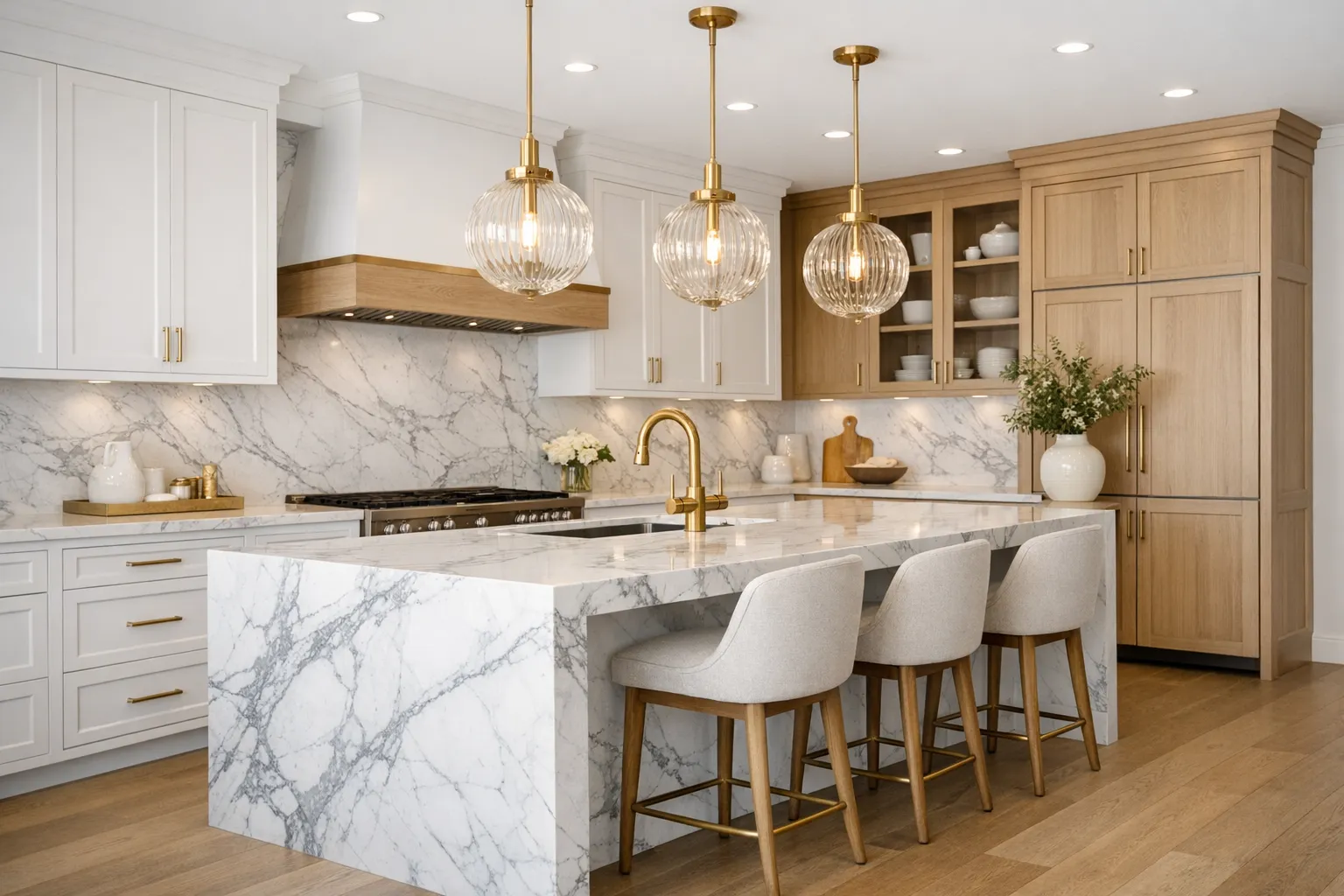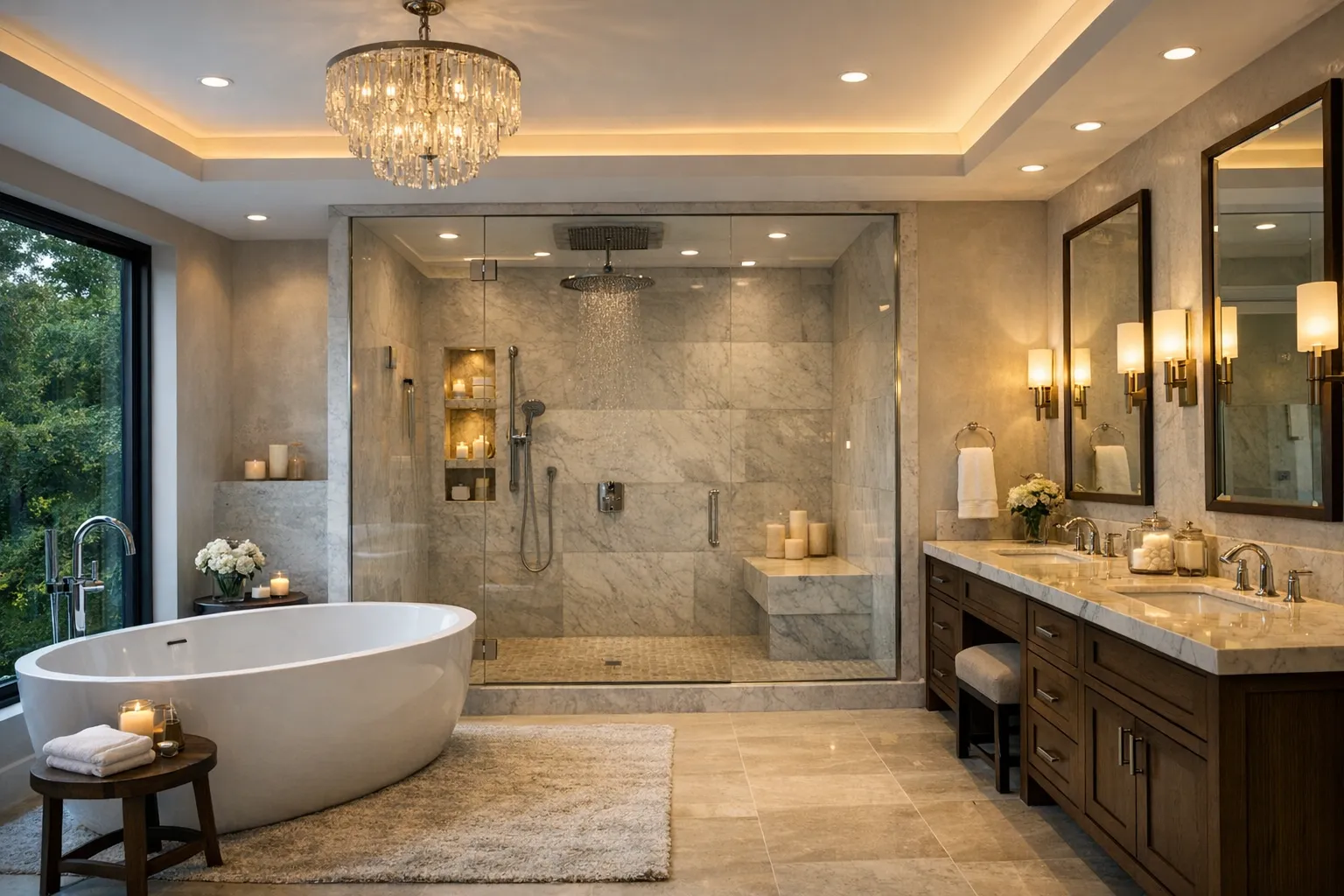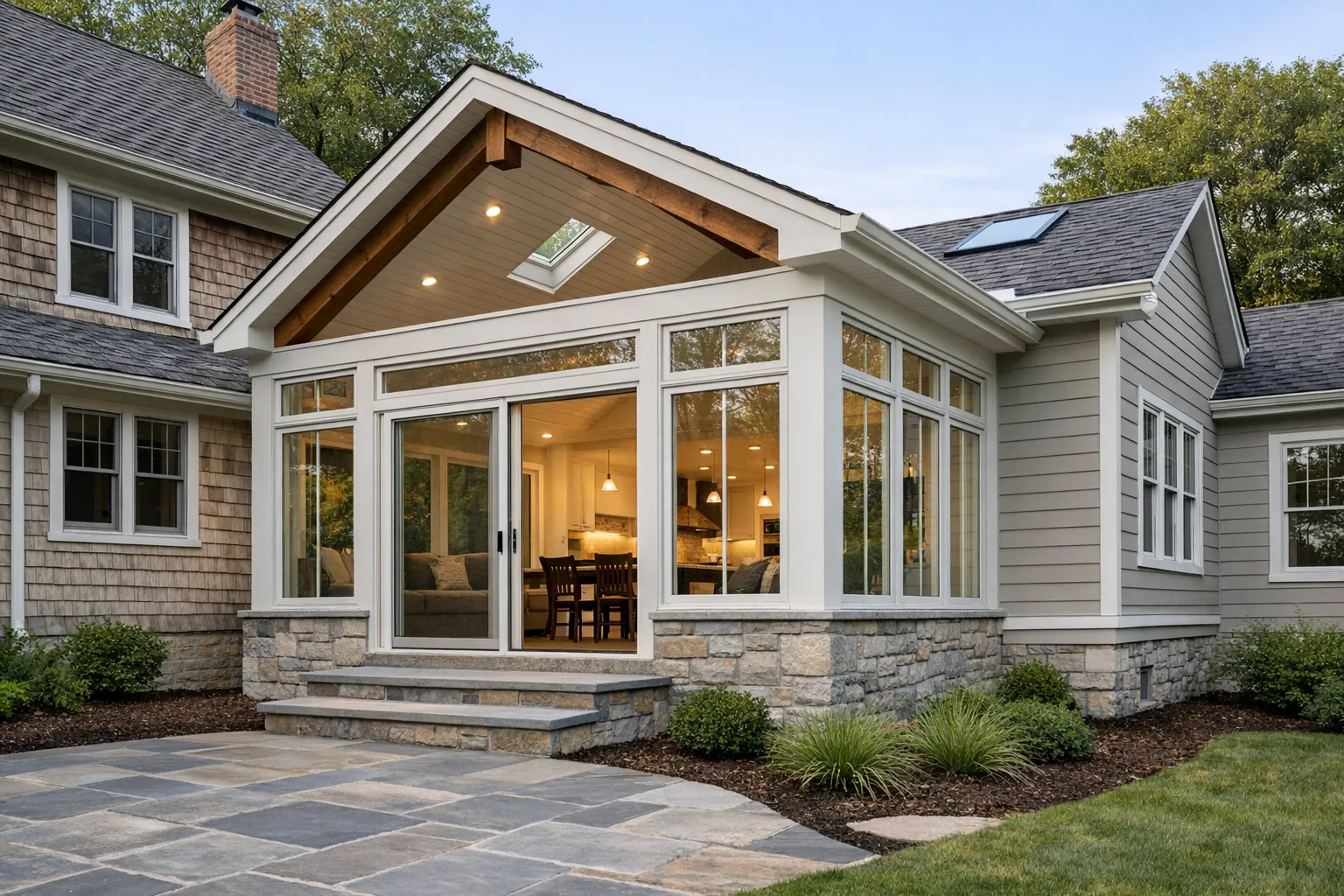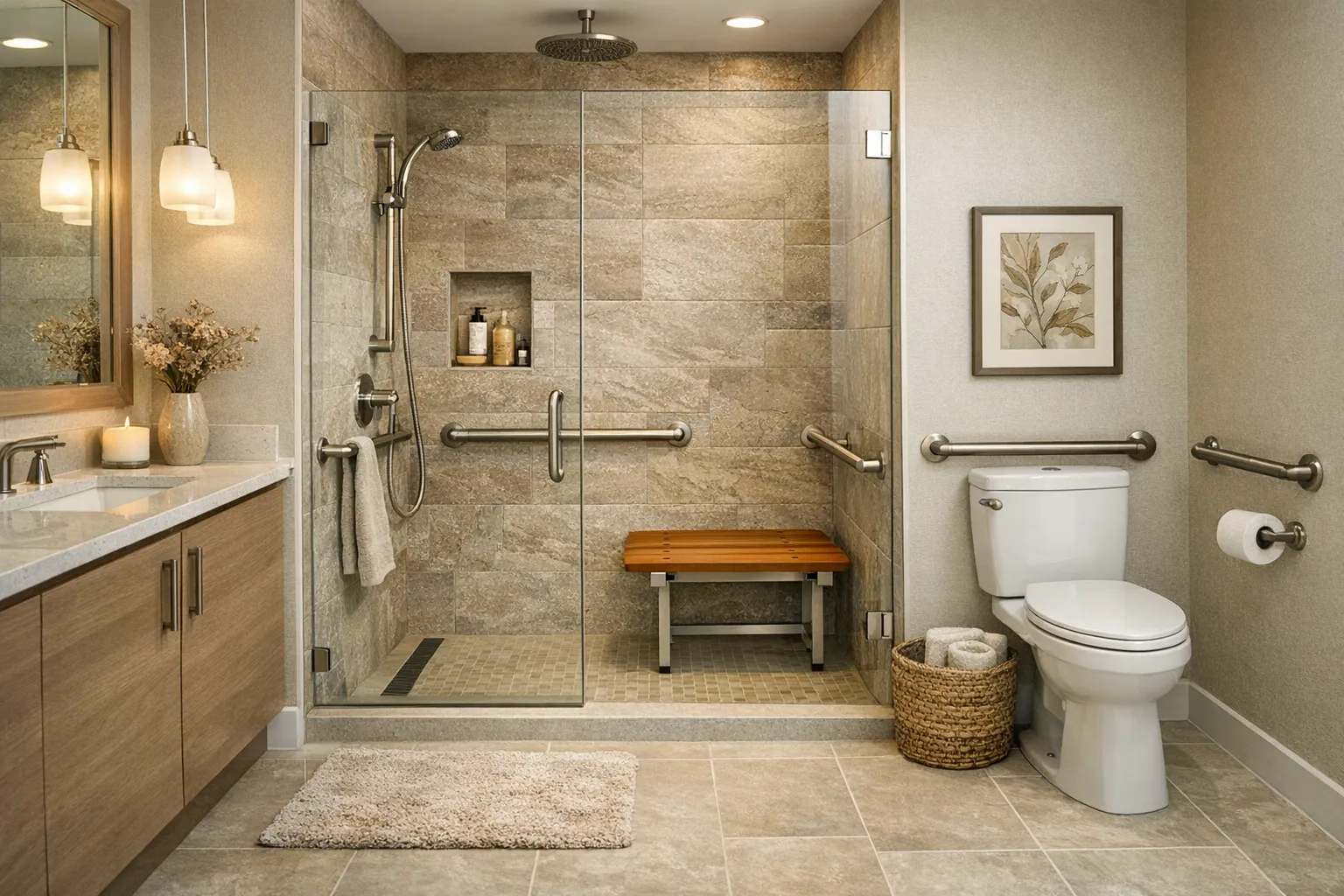
You need more space. That much is clear. The real question is whether to build a separate unit on your property or add square footage onto your existing house.
Both are solid options, and we build both regularly for homeowners around Spokane and North Idaho. But they're very different projects with different costs, timelines, and long-term payoffs. The right call depends on what you actually need the space for and how you want your property to work five or ten years from now.
What Is an ADU?
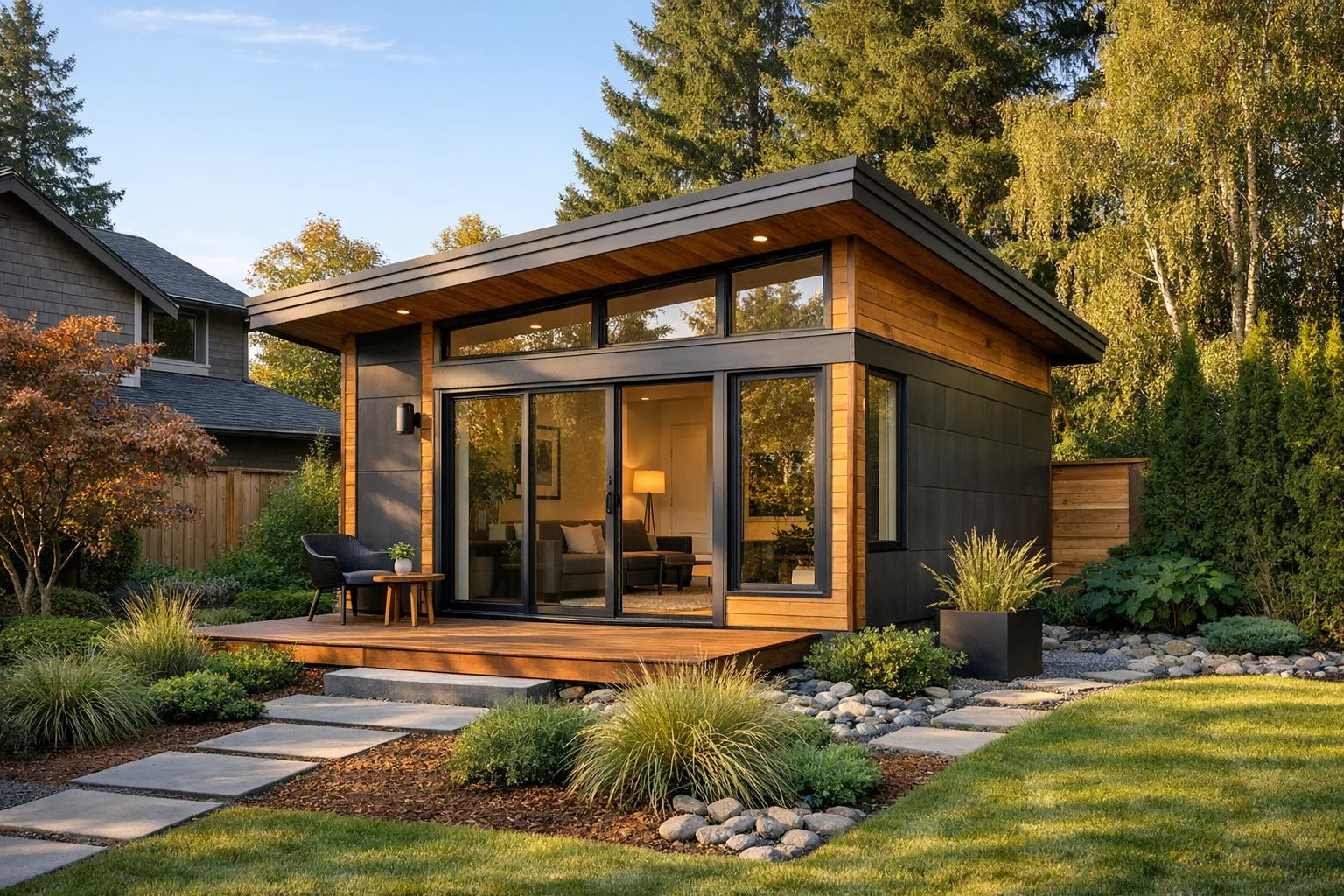
An ADU, or accessory dwelling unit, is a secondary living unit built on the same property as a primary residence. It includes its own kitchen, bathroom, sleeping area, and living space. ADUs are designed to function independently while remaining part of a single-family property.
ADUs can be detached structures like backyard cottages, attached additions connected to the main house, or interior conversions such as basement apartments or garage conversions. Because they are complete living units, ADUs offer flexibility that goes beyond simply adding more room to an existing home.
Many homeowners choose ADUs for multigenerational living, rental income potential, or long-term adaptability.
What Is a Home Addition?
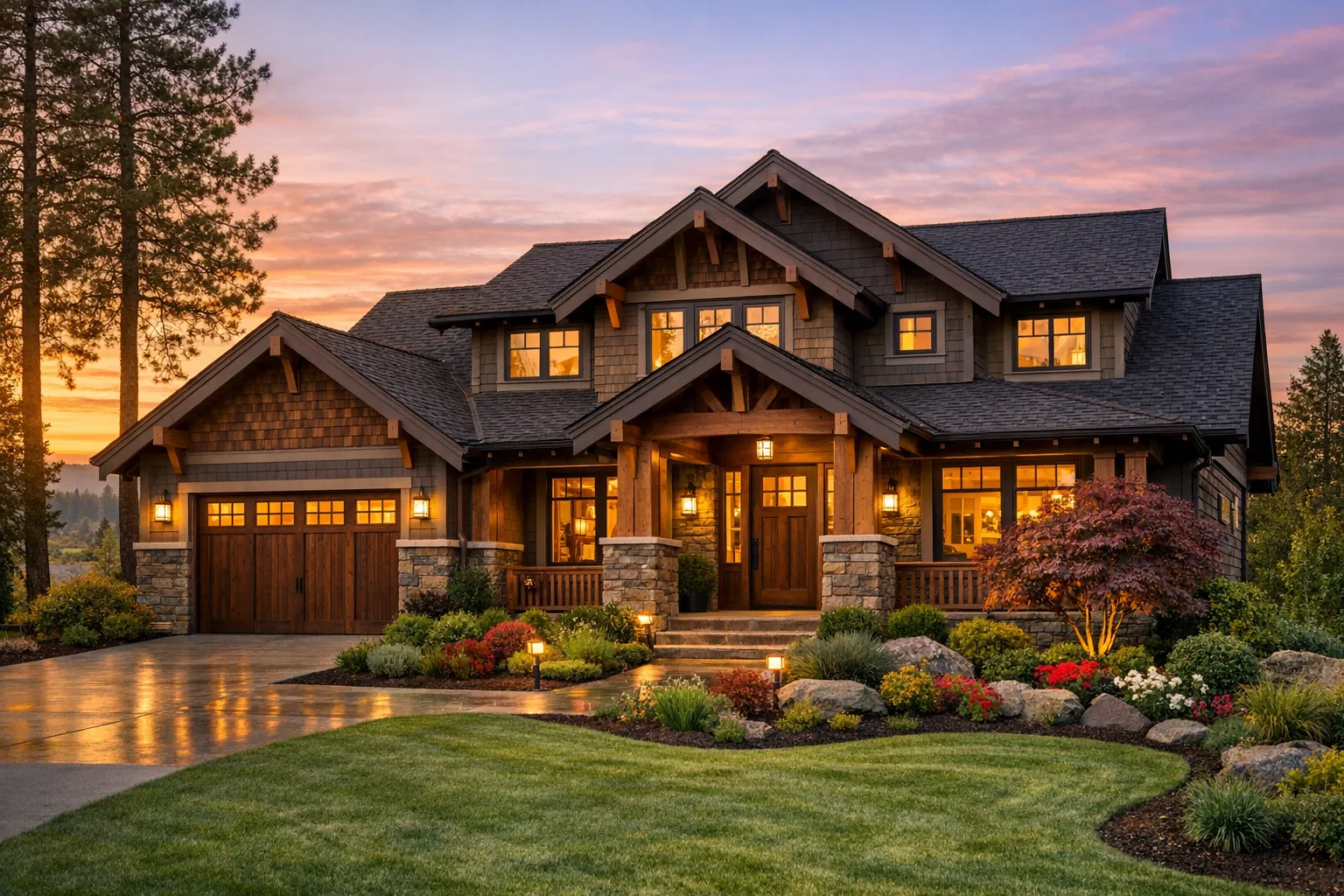
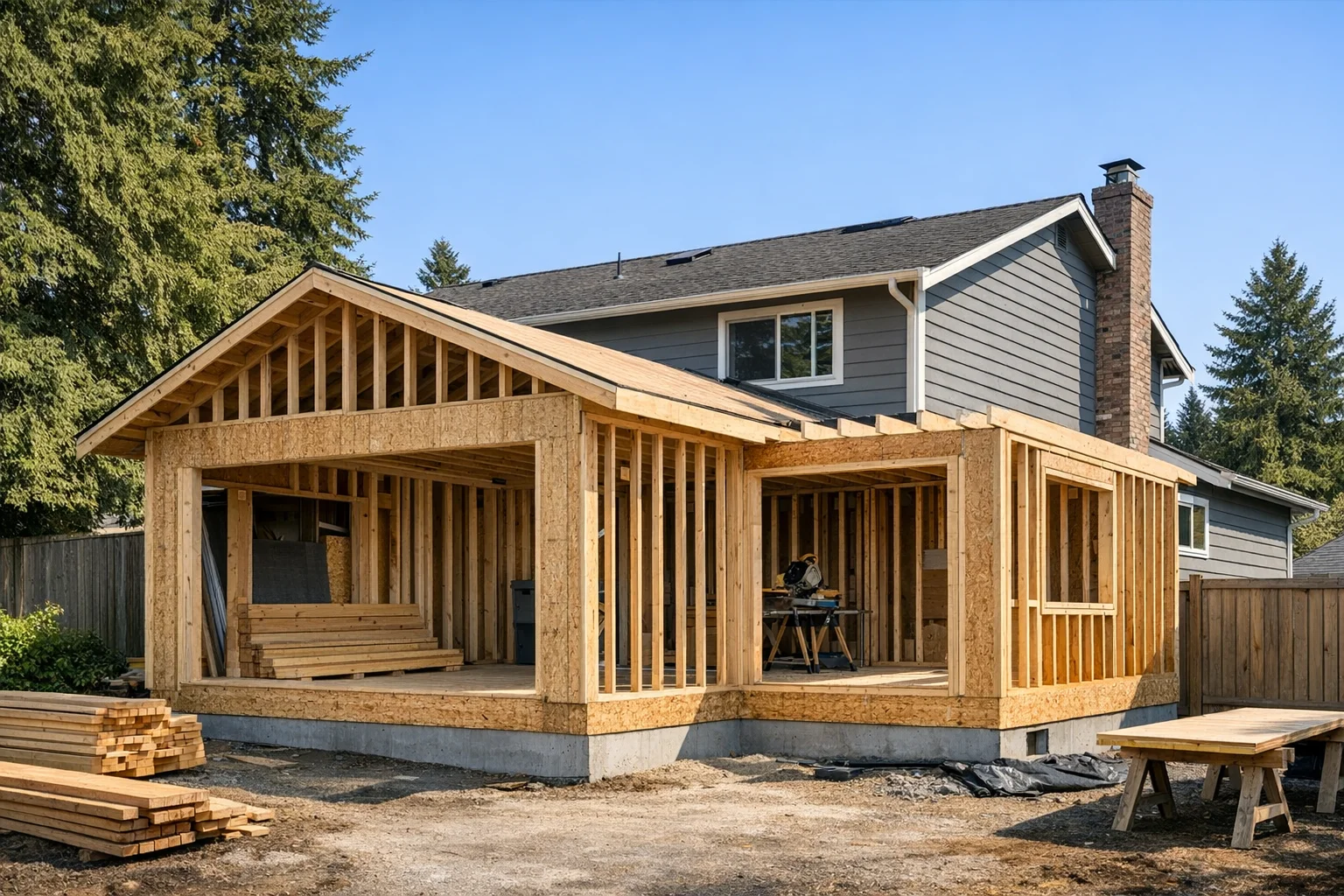
A home addition expands the existing footprint of a house by adding new rooms or living areas that are directly connected to the main structure. Common examples include adding a bedroom, expanding a kitchen, building a family room, or creating a primary suite.
Home additions are designed to integrate fully into the existing home. They typically share utilities, entrances, and living areas with the rest of the house. Additions are ideal for homeowners who want more space but prefer everything to function as one cohesive household.
ADU vs Home Addition: Key Differences
Cost Considerations
Cost is often one of the first factors homeowners consider. Home additions generally have lower upfront costs per square foot because they share utilities and infrastructure with the existing home. However, large additions can become expensive quickly depending on structural changes and finishes.
ADUs may have higher initial costs due to separate systems, kitchens, and bathrooms. Detached ADUs often require additional site work, utility connections, and permits. That said, the ability to generate rental income can offset costs over time.
Construction Timeline
Home additions usually have a shorter construction timeline because they are simpler in scope and require fewer approvals. Most additions follow a straightforward design and build process.
ADUs often take longer due to zoning reviews, permitting, and inspections. Detached units especially require more coordination. Planning is important for either option, but ADUs typically demand more upfront preparation.
Zoning and Permitting
Zoning rules play a significant role in the ADU vs home addition decision. Home additions are usually permitted in most residential zones with standard setbacks and height limits.
ADUs are subject to specific zoning and occupancy regulations that vary by jurisdiction. Size limits, parking requirements, and owner occupancy rules may apply. Understanding these requirements early helps avoid delays and redesigns.
Privacy and Independence
One of the biggest advantages of an ADU is independence. Because it functions as a separate living unit, it provides privacy for both occupants and homeowners. This makes ADUs ideal for adult children, aging parents, or renters.
Home additions expand shared living space. While they increase comfort, they do not provide the same level of separation or autonomy as an ADU.
Rental Income Potential
ADUs offer the ability to generate rental income, which is not possible with a traditional home addition. This income can help offset mortgage payments, property taxes, or future maintenance costs.
For homeowners thinking long term, the rental potential of an ADU can make it a strong financial investment. Home additions, while increasing comfort and value, do not directly produce income.
Impact on Property Value
Both ADUs and home additions can increase property value when designed and built correctly. Additions improve the livability and functionality of the main home, which appeals to many buyers.
ADUs add flexibility and income potential, which can significantly increase overall property appeal. Buyers looking for multigenerational living options or rental opportunities often place a premium on homes with ADUs.
Which Option Is Right for Different Homeowners?
Families Needing More Space
If your primary goal is to create more shared living space for a growing family, a home addition may be the best choice. Expanding bedrooms, living rooms, or kitchens improves daily comfort without changing how the household functions.
Multigenerational Households
For families who want to house aging parents or adult children while maintaining independence, an ADU is often the better solution. It allows family members to live close without sharing the same living quarters.
Homeowners Thinking Long Term
If flexibility and future use are important, ADUs offer long-term adaptability. An ADU can serve different purposes over time, from housing family members to generating rental income.
Home additions are more permanent in function but can still offer long-term benefits for comfort and resale.
Budget-Focused Homeowners
Home additions may be more affordable upfront, especially for smaller expansions. However, homeowners who can invest more initially may find ADUs more financially rewarding over time due to income potential.
When to Talk to a Professional Remodeler
Both ADUs and home additions involve complex decisions related to design, cost, and regulations. Consulting a professional remodeler early helps you evaluate feasibility, understand realistic budgets, and avoid costly mistakes.
A professional can assess your property layout, zoning limitations, and long-term goals to recommend the best solution.
Final Thoughts
Choosing between an ADU vs home addition is a significant decision that affects how your home functions and how it grows in value. Both options offer unique benefits, and the right choice depends on your goals, budget, and long-term plans.
Understanding the differences helps homeowners move forward with clarity and confidence.
Ready to Expand Your Home the Right Way?
If you are considering an ADU or home addition and want professional guidance, J&S Construction can help you evaluate your options and plan the next steps.
Contact us today to schedule a consultation and discuss the best solution for your home.