So you're thinking about a renovation and want to know how long it's actually going to take. Fair enough. That's the first thing most people ask us, right after "how much will it cost?"
The honest answer is it depends on the project. But most renovations follow a pretty predictable sequence, and knowing what comes next makes the whole thing a lot less stressful. Here's what the process looks like for homeowners in the Spokane area, broken down phase by phase.
Why Understanding the Renovation Timeline Matters
A home renovation is a major investment of time and money. Without a clear understanding of the timeline, homeowners may feel overwhelmed or frustrated when delays occur.
Knowing what to expect at each stage allows you to plan living arrangements, coordinate work schedules, and make decisions with confidence. A realistic timeline also helps prevent rushed choices that can affect quality and long-term results.
Phase 1: Planning and Initial Consultation
The renovation timeline begins well before construction starts. This phase focuses on defining goals, setting expectations, and exploring possibilities.
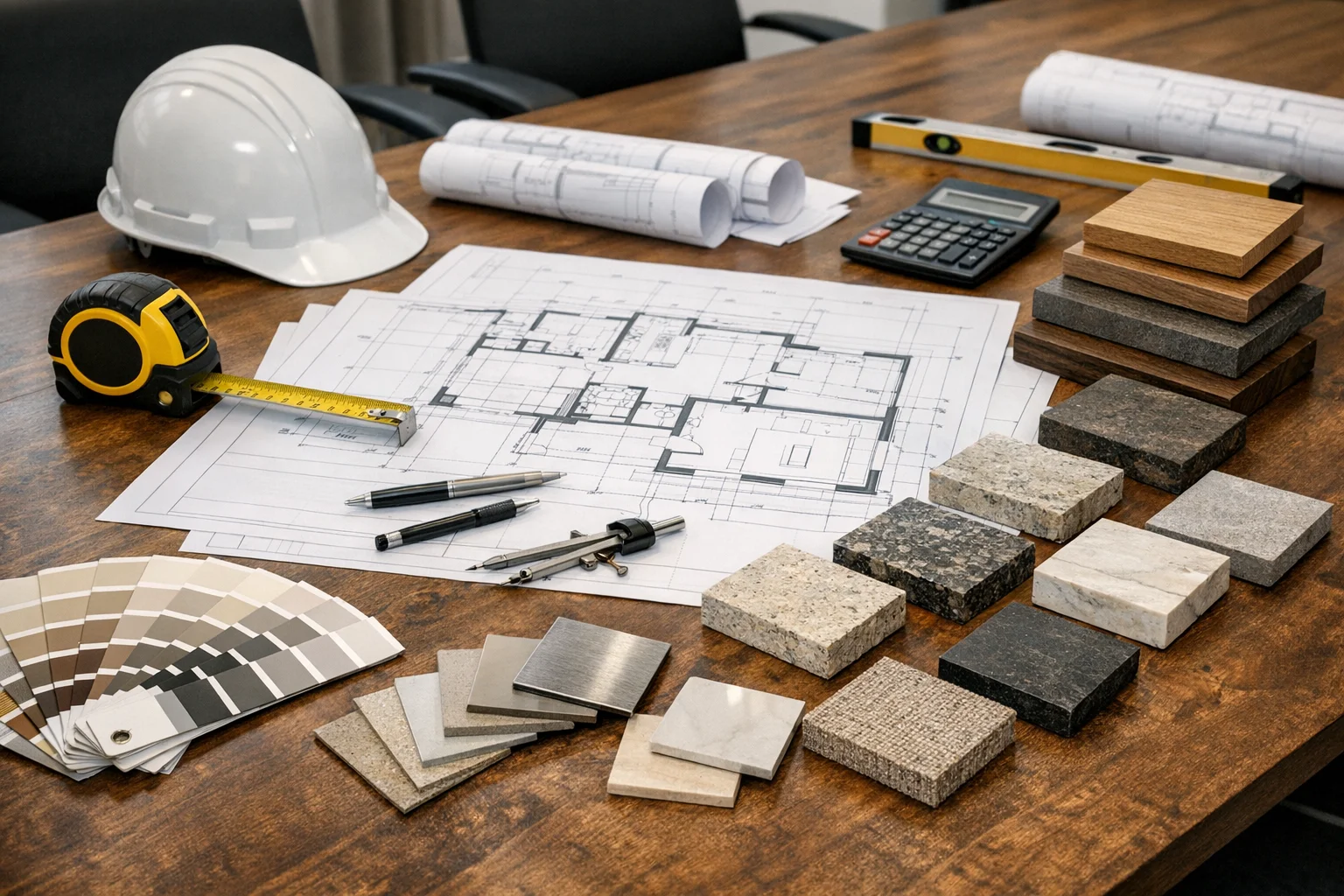
During the initial consultation, homeowners discuss what they want to renovate, how the space should function, and what budget range feels comfortable. Measurements, photos, and preliminary evaluations are often taken during this stage.
This phase may take several weeks, depending on how quickly decisions are made and whether multiple options are being considered.
Phase 2: Design and Scope Development
Once goals are defined, the design phase begins. This stage includes creating layouts, selecting materials, and finalizing the scope of work.
Design decisions have a major impact on the renovation timeline. Custom features, layout changes, and specialty materials may extend this phase. Taking the time to finalize details upfront helps avoid changes during construction, which can cause delays.
This phase often takes a few weeks to a few months, depending on project complexity.
Phase 3: Budget Finalization and Contract Approval
After the design and scope are complete, the budget is finalized. This includes reviewing costs, confirming materials, and approving the construction agreement.
Clear communication during this stage is critical. Homeowners should understand what is included, what is not, and how changes will be handled.
Phase 4: Permits and Pre-Construction Preparation
Most renovations require permits, especially when structural, electrical, or plumbing work is involved. The permitting process can vary in length depending on project scope and local requirements.
During this phase, materials are ordered, schedules are finalized, and subcontractors are coordinated. Pre-construction preparation ensures everything is ready when work begins.
This phase may take several weeks, particularly if permits or specialty materials are involved.
Phase 5: Demolition and Site Preparation
Construction begins with demolition and site preparation. Existing finishes, fixtures, and structures are removed to prepare the space for renovation.
This stage can be noisy and disruptive, but it is typically one of the shorter phases. Unexpected issues such as hidden damage may be discovered during demolition, which can affect the overall timeline.
Phase 6: Structural, Plumbing, and Electrical Work
Once demolition is complete, structural changes and rough-in work begin. This includes framing, plumbing, electrical, and HVAC updates.
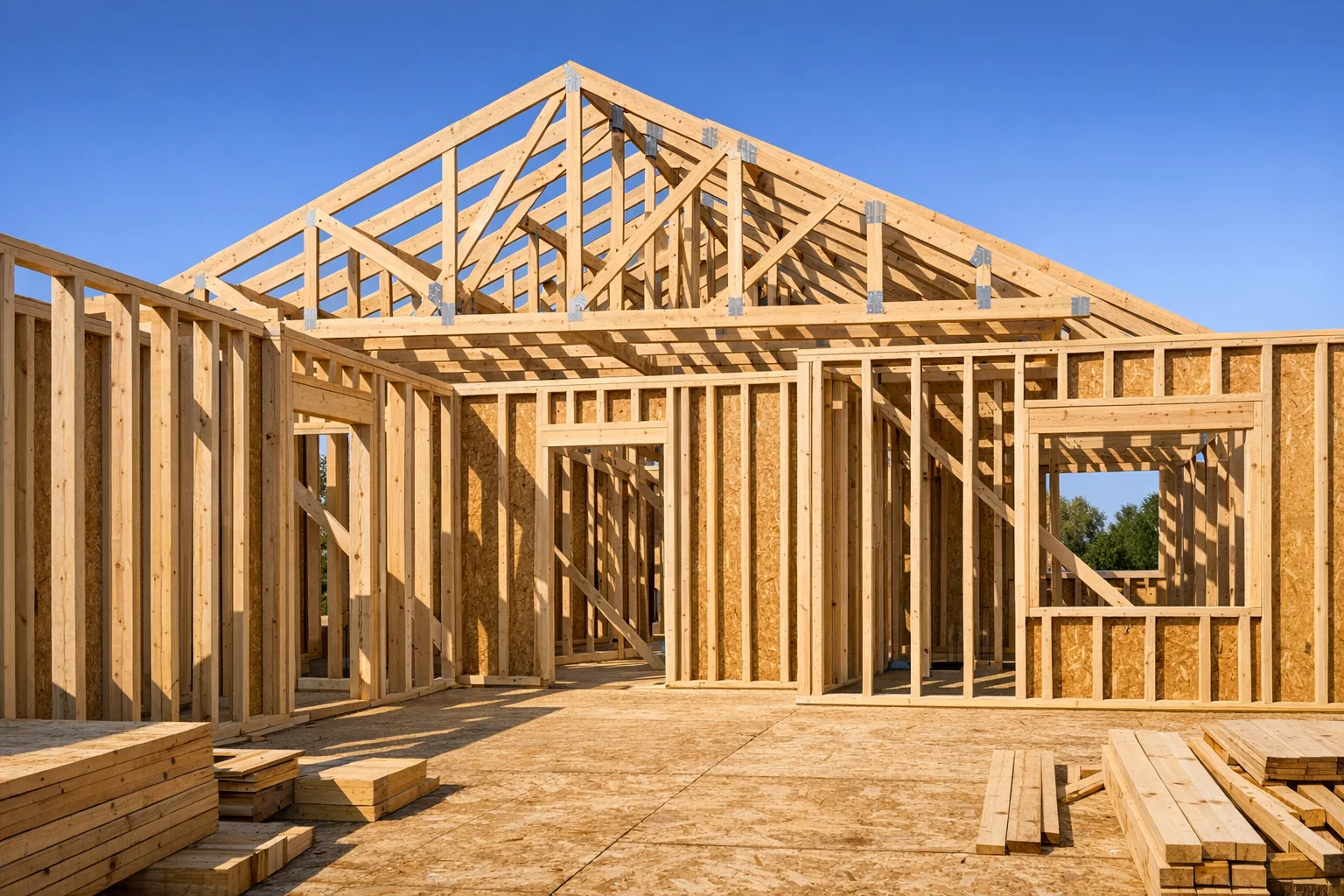
Inspections often occur during this stage to ensure work meets code requirements. Scheduling inspections and addressing any required corrections can influence the timeline.
Phase 7: Insulation, Drywall, and Surface Preparation
After rough work is approved, insulation and drywall are installed. Walls and ceilings are finished and prepared for paint and finishes.
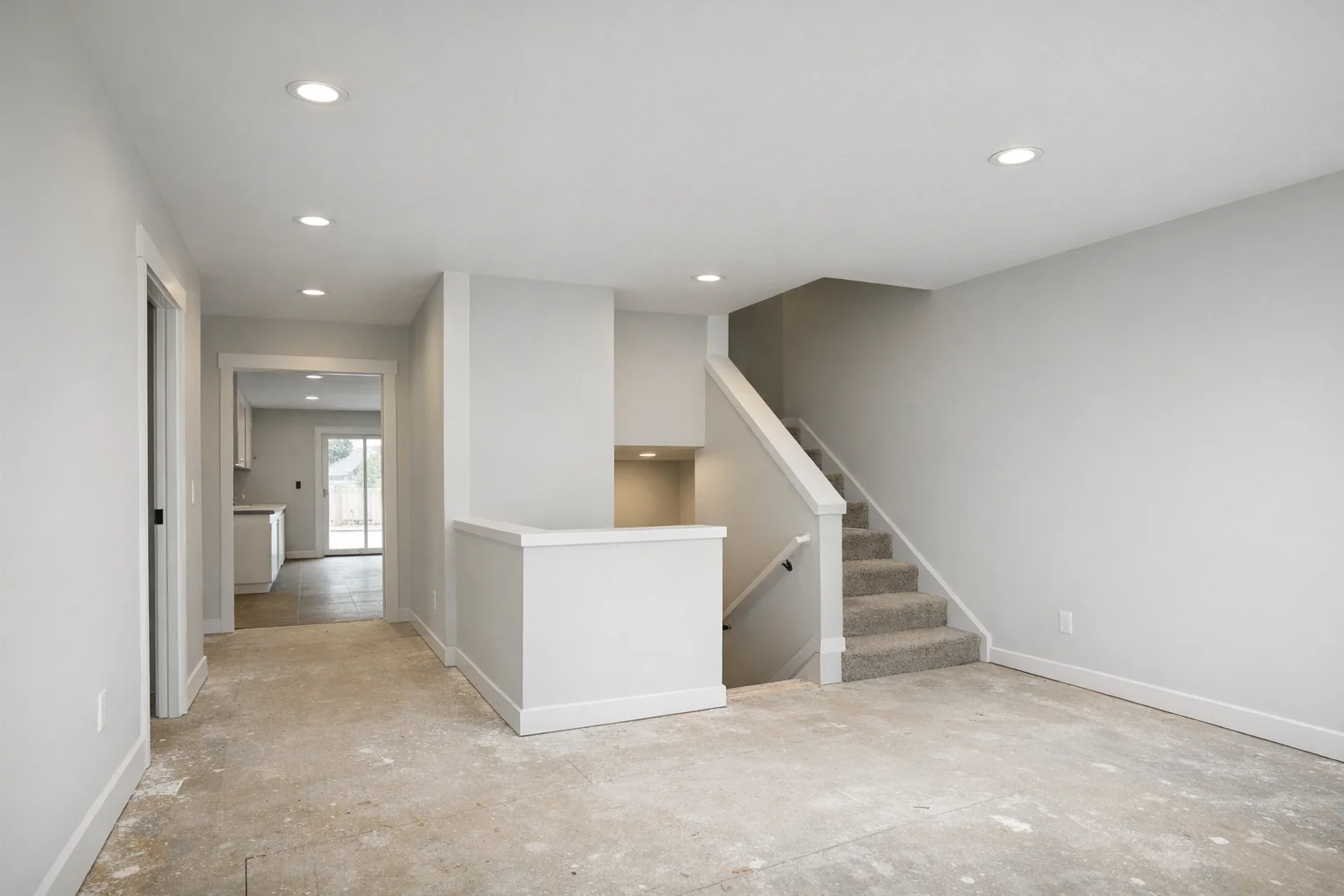
This stage transforms the space visually and signals that the project is moving toward completion.
Phase 8: Finishes, Fixtures, and Final Details
During this phase, cabinets, countertops, flooring, fixtures, and appliances are installed. This is where the renovation truly comes together.
Attention to detail is essential to ensure proper installation and alignment. Delays can occur if materials arrive late or adjustments are needed.
Phase 9: Final Inspections and Completion
Once construction is complete, final inspections are scheduled. Any remaining touch-ups or corrections are addressed.
After approvals are received, the renovation is considered complete. Homeowners can begin enjoying their updated space.
Factors That Affect the Home Renovation Timeline
Several factors influence how long a renovation takes:
- Project size and complexity - Larger projects naturally take longer
- Design changes - Mid-project modifications extend timelines
- Material availability - Supply chain delays affect schedules
- Inspection scheduling - Coordination with local authorities adds time
- Older homes - May require additional updates for code compliance
- Weather - Can affect exterior work and material delivery
Understanding these variables helps homeowners remain flexible and patient throughout the process.
How Professional Remodelers Keep Projects on Schedule
Professional remodelers manage timelines by coordinating trades, ordering materials early, and maintaining clear communication. Experience helps anticipate challenges and address issues efficiently.
Working with professionals reduces delays caused by poor planning or miscommunication.
Final Thoughts
A home renovation timeline includes multiple phases, each essential to the success of the project. Understanding what happens at each stage helps homeowners plan effectively and feel confident throughout the process.
With proper planning and professional guidance, renovations can be completed efficiently while delivering long-term value.
Ready to Start Planning Your Renovation?
If you are considering a home renovation and want a clear understanding of the timeline and process, we can help. Contact us today to schedule a consultation and take the first step toward a successful renovation.