When your home no longer meets your needs, you face a fundamental decision: remodel what you have or move to something different. Both options have merits, and the right choice depends on your specific situation, priorities, and financial circumstances.
This guide helps you evaluate both paths objectively and make the decision that best serves your family.
Questions to Consider
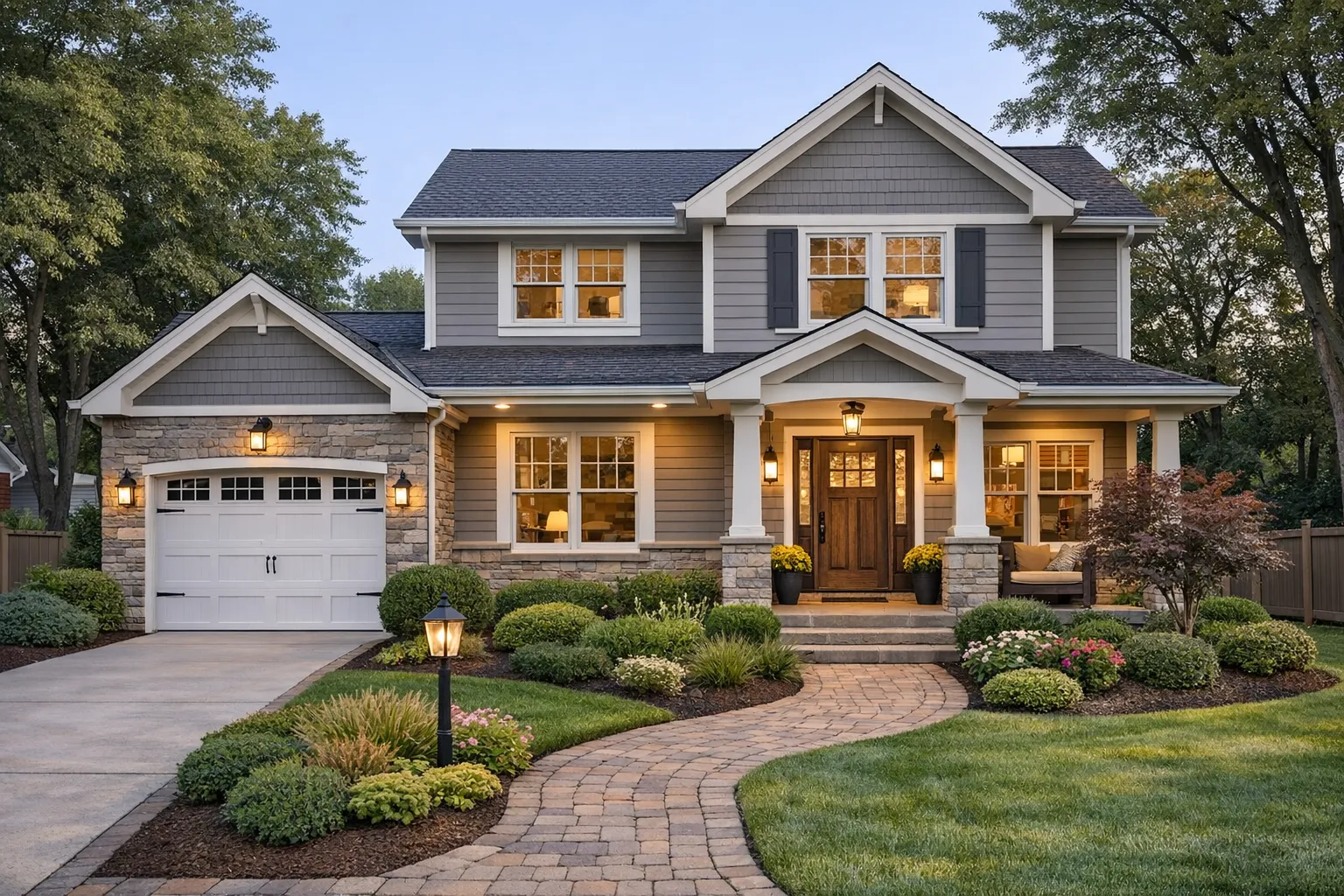
What Do You Love About Your Current Home?
Before deciding, inventory what works:
- Location - Proximity to work, schools, family, and activities
- Neighborhood - Established relationships and community
- Lot - Size, landscaping, privacy, and outdoor space
- Character - Architectural details, history, or sentimental value
If you'd struggle to replicate these elements, remodeling may preserve what matters most.
What Needs to Change?
Clearly define what isn't working:
- Space - Do you need more square footage or better use of existing space?
- Layout - Does the floor plan work for your lifestyle?
- Condition - Are major systems (roof, HVAC, plumbing) near end of life?
- Features - What specific elements do you wish you had?
Some issues are easily addressed through remodeling. Others might require impractical changes.
Can Remodeling Solve the Problem?
Some changes are straightforward:
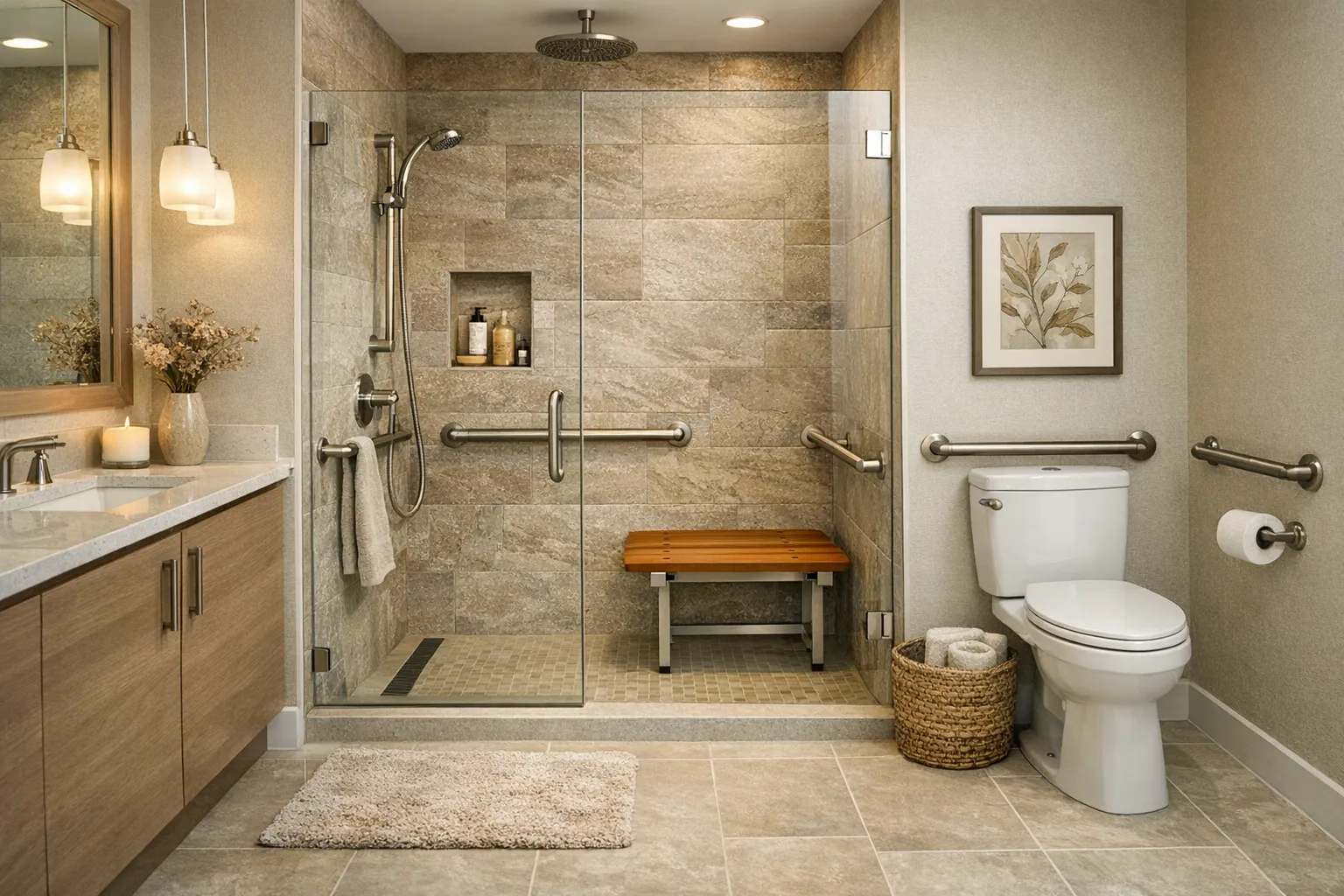
- Kitchen and bathroom updates
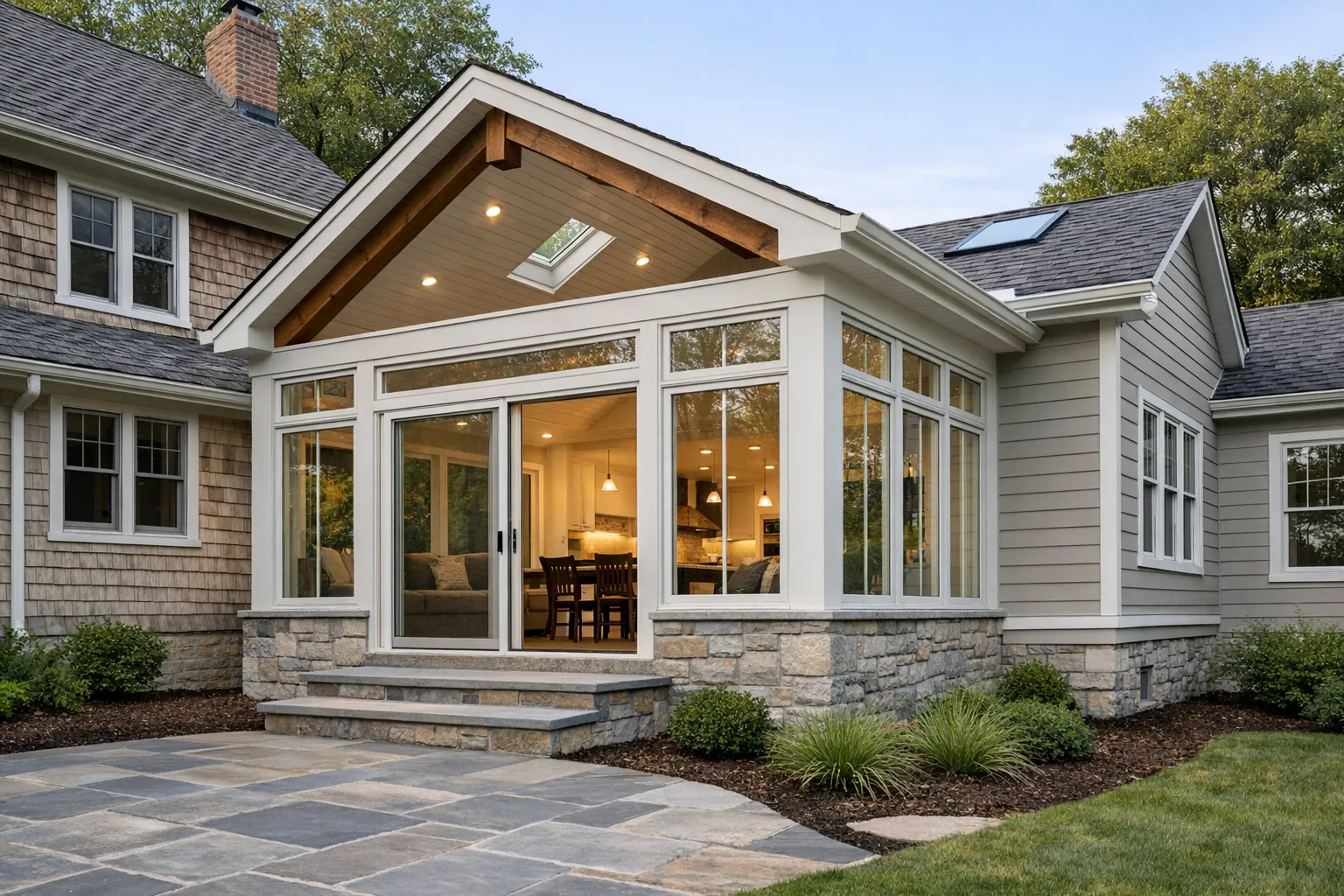
- Adding rooms through additions
- Finishing basements or attics
- Opening floor plans
- Updating systems and finishes
Other issues are more challenging:
- Significantly increasing lot size
- Changing neighborhoods or school districts
- Adding parking in constrained areas
- Dramatically increasing square footage
Financial Considerations
Remodeling Costs
Remodeling costs vary widely based on scope:
- Cosmetic Updates - Paint, flooring, fixtures
- Room Renovations - Kitchen, bathroom, or bedroom upgrades
- Additions - New square footage
- Whole-House Renovation - Comprehensive updates
Get realistic estimates for your specific plans before comparing to moving costs.
Moving Costs
Moving involves multiple expenses:
- Purchase Price - The new home itself
- Closing Costs - Typically 2-5% of purchase price
- Selling Costs - Agent commissions, repairs, staging
- Moving Expenses - Professional movers, temporary housing
- Setup Costs - Window treatments, landscaping, furnishing new spaces
Add these costs to your comparison.
Hidden Considerations
Equity Position - Your current mortgage terms may be favorable. New financing could cost more.
Tax Implications - Property tax increases with a new, higher-valued home. Capital gains may apply when selling.
Market Conditions - In competitive markets, finding the right home may be difficult. In slow markets, selling may take time.
Lifestyle Factors
Disruption Comparison
Both options involve disruption:
Remodeling - Living through construction, dust, noise, and displaced rooms. Major remodels may require temporary relocation.
Moving - Packing, moving logistics, unpacking, address changes, and establishing new routines.
Consider which type of disruption your family handles better.
Timeline Considerations
Remodeling - Design, permitting, and construction take time. Complex projects may span several months.
Moving - Depends on market conditions. Finding the right home could take weeks or months. Closing typically takes 30-60 days.
Emotional Factors
Don't underestimate emotional considerations:
- Attachment to your current home and memories
- Children's connections to neighborhood friends
- Proximity to family members
- Comfort with your known environment
Making the Decision
When Remodeling Makes Sense
- You love your location and neighborhood
- The changes you need are achievable
- The cost is reasonable relative to home value
- You prefer known conditions to unknowns
- Market conditions favor staying
When Moving Makes Sense
- Remodeling can't achieve what you need
- The cost to remodel exceeds the value added
- You want or need a different location
- The right home is available at the right price
- You're ready for a fresh start
The Hybrid Approach
Some families choose a middle path:
- Make modest updates to current home
- List it for sale
- Take time to find the right new home
- Move when the timing aligns
This approach provides flexibility but requires managing two transitions.
Final Thoughts
The remodel-or-move decision is deeply personal. Financial analysis provides important data, but lifestyle factors, emotional connections, and family needs matter equally.
Take time to honestly evaluate both options. Talk with contractors about remodeling possibilities and costs. Explore the real estate market to understand alternatives. The right decision becomes clearer when you have complete information.
Whatever you choose, the goal is a home that serves your family well for years to come.