Many homeowners ask the same question when exploring ways to add livable space or increase property value: What is an ADU, and how does it work?
An ADU, short for accessory dwelling unit, is a secondary housing unit built on the same property as a primary residence. These small dwellings are designed to function independently while remaining part of a single-family home setup.
Accessory dwelling units are becoming more common as communities look for ways to expand housing options and make better use of existing home sites. For homeowners, ADUs can provide independent living space for family members, long-term flexibility, and opportunities to generate rental income.
Understanding What an ADU Is
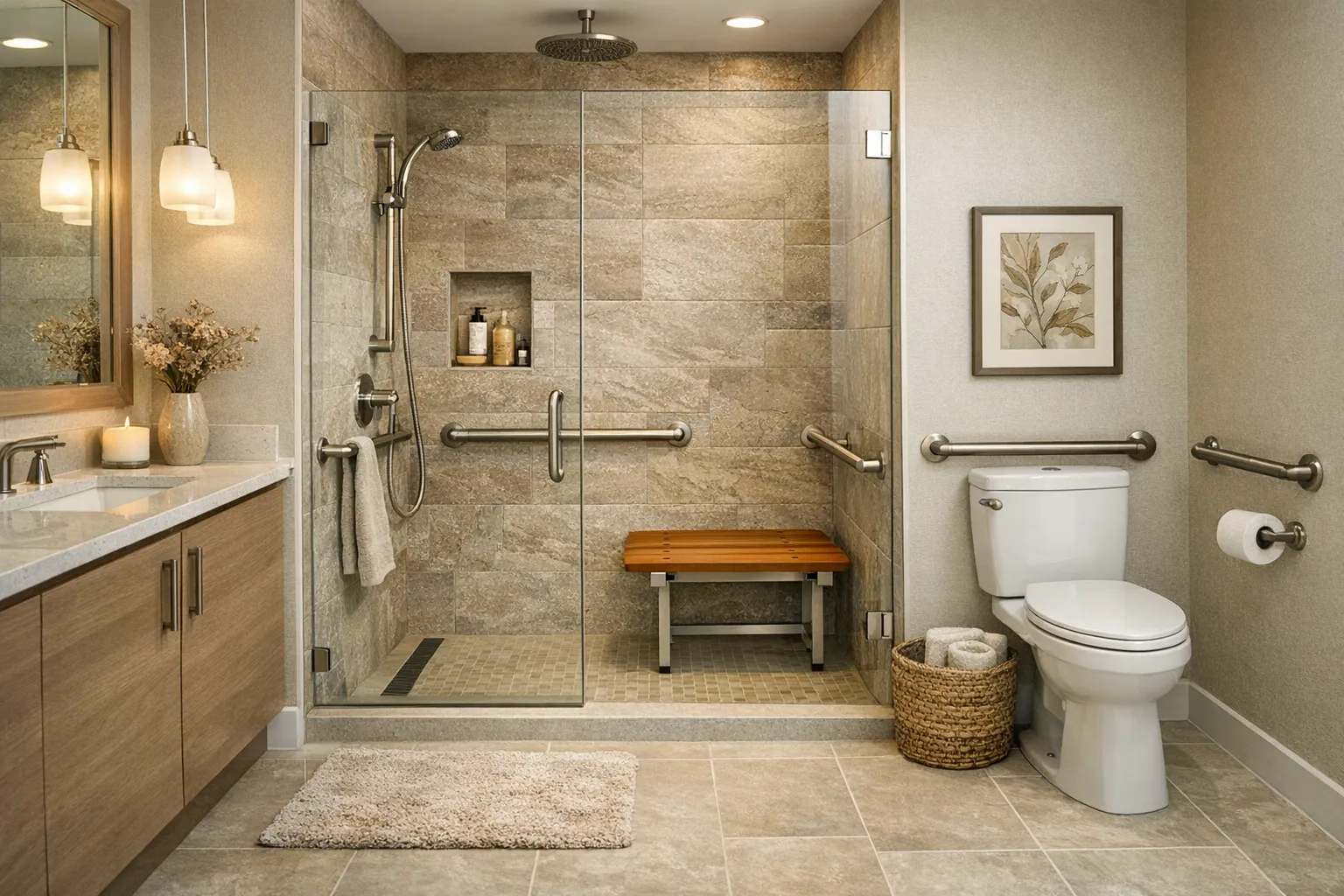
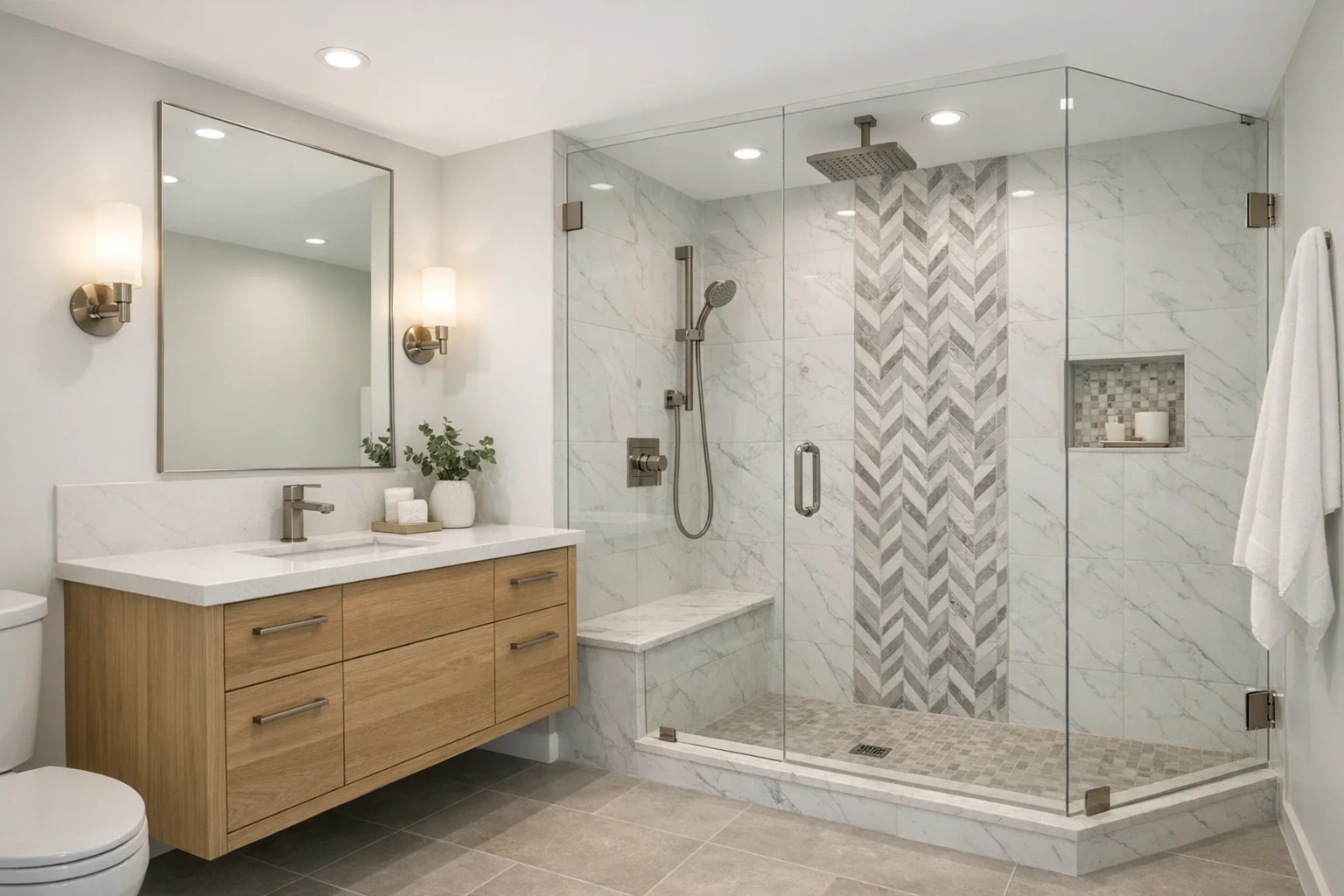
An ADU is a self-contained living space located on the same lot as a principal unit. It includes kitchen facilities, bathroom facilities, sleeping areas, and a separate entrance. While it shares the same grounds as the main house, it is designed to operate as an independent living space.
ADUs are sometimes called granny flats, in-law suites, accessory apartments, or guest houses. In some communities, they may also be referred to as backyard cottages, carriage houses, or laneway houses. Regardless of the name, the purpose remains the same: to provide a small dwelling that supports independent living while remaining tied to a single-family property.
ADUs are not tiny houses placed on trailers, nor are they sold separately from the primary residence. They remain part of the same property and are regulated as part of the overall housing stock.
Why Accessory Dwelling Units Are Gaining Popularity
Accessory dwelling units are growing in popularity as homeowners look for flexible housing solutions that adapt to changing needs. Many families want to house family members while preserving privacy and independence. Others want to create rental housing to offset expenses such as property taxes or mortgage costs.
In areas facing housing shortages, ADU development helps increase livable square footage without expanding urban sprawl. Many local policies have encouraged ADU construction in single-family zoning districts.
For homeowners, an ADU can unlock a property's potential by adding usable space without purchasing additional land.
Common Types of ADUs
Detached ADUs
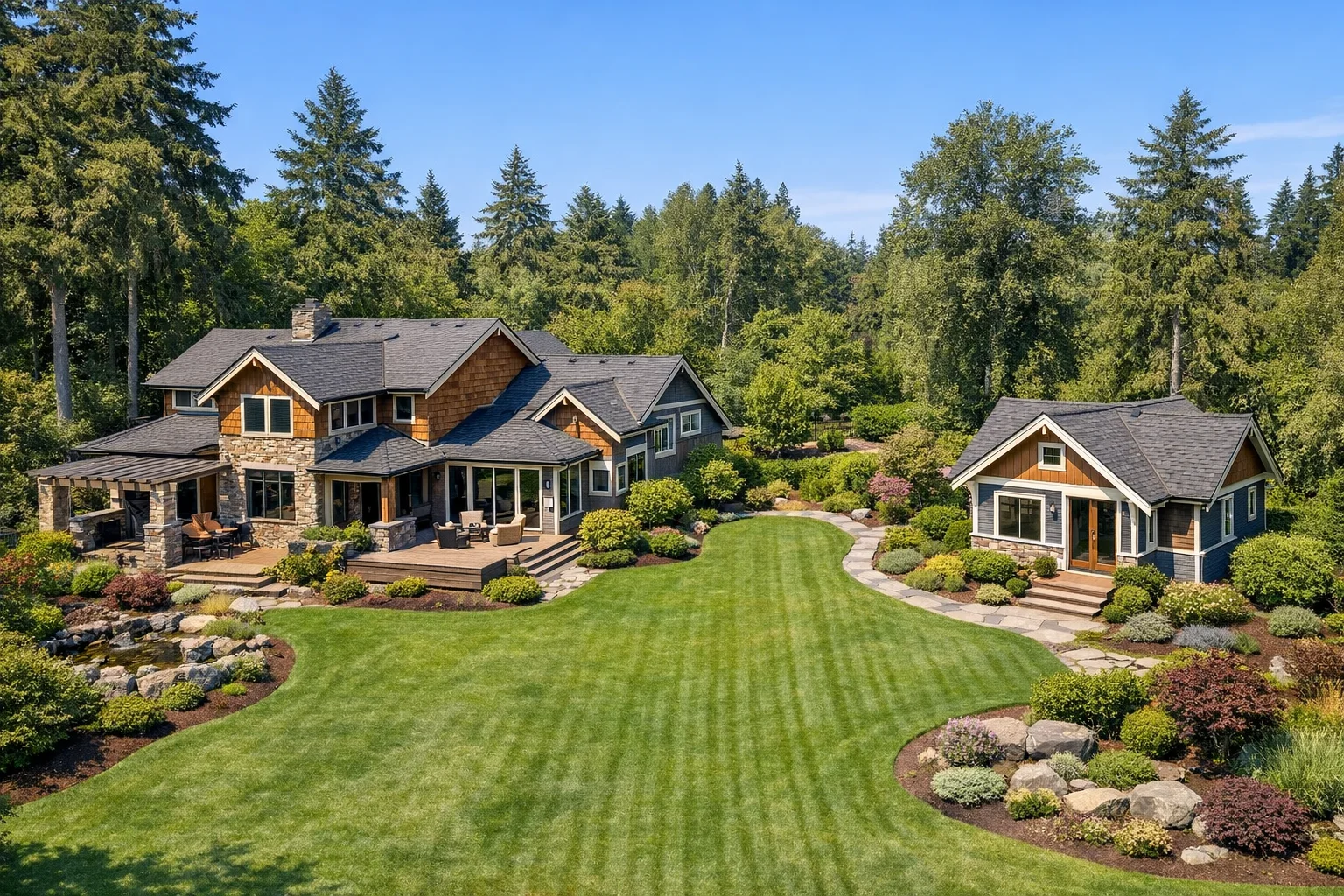
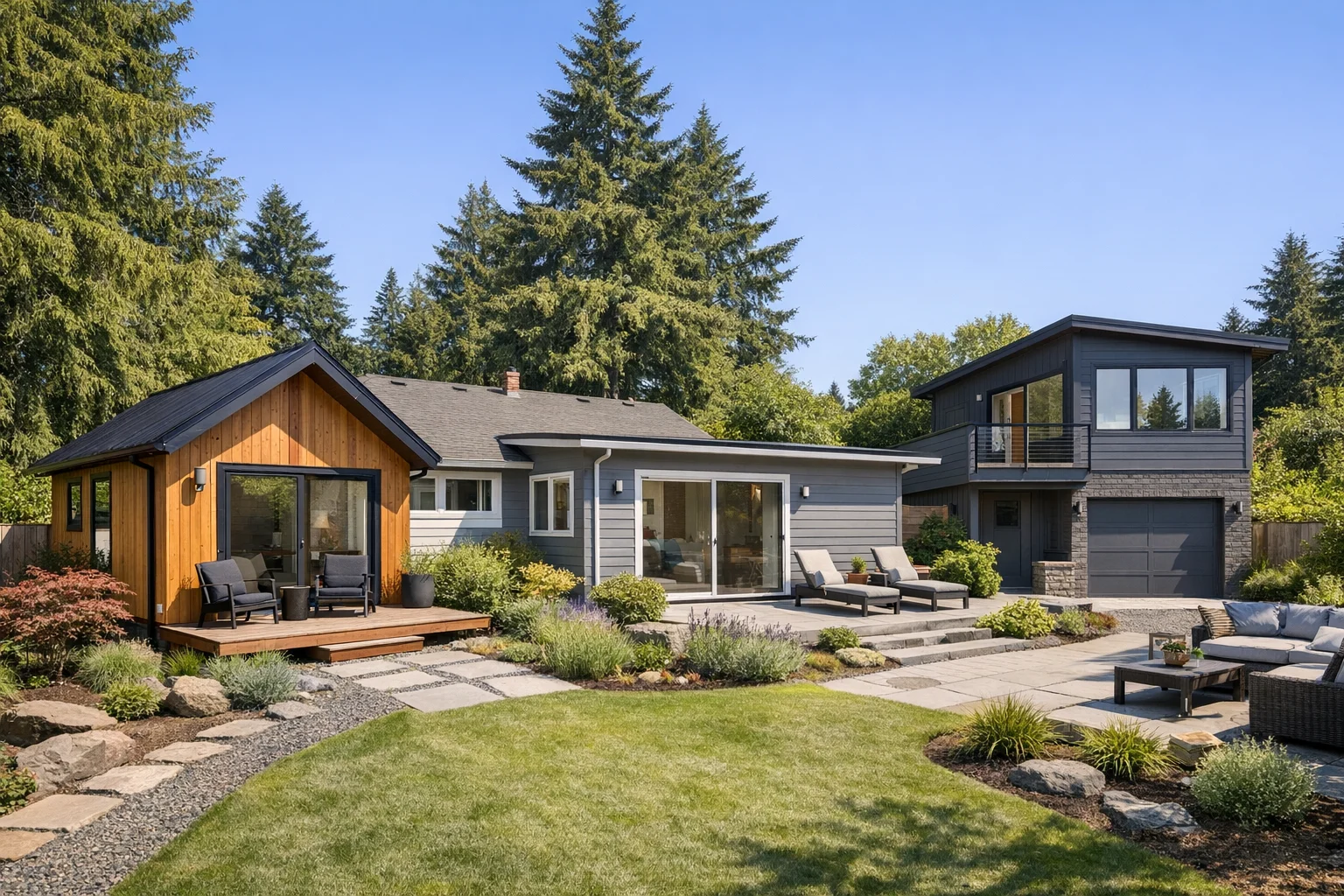
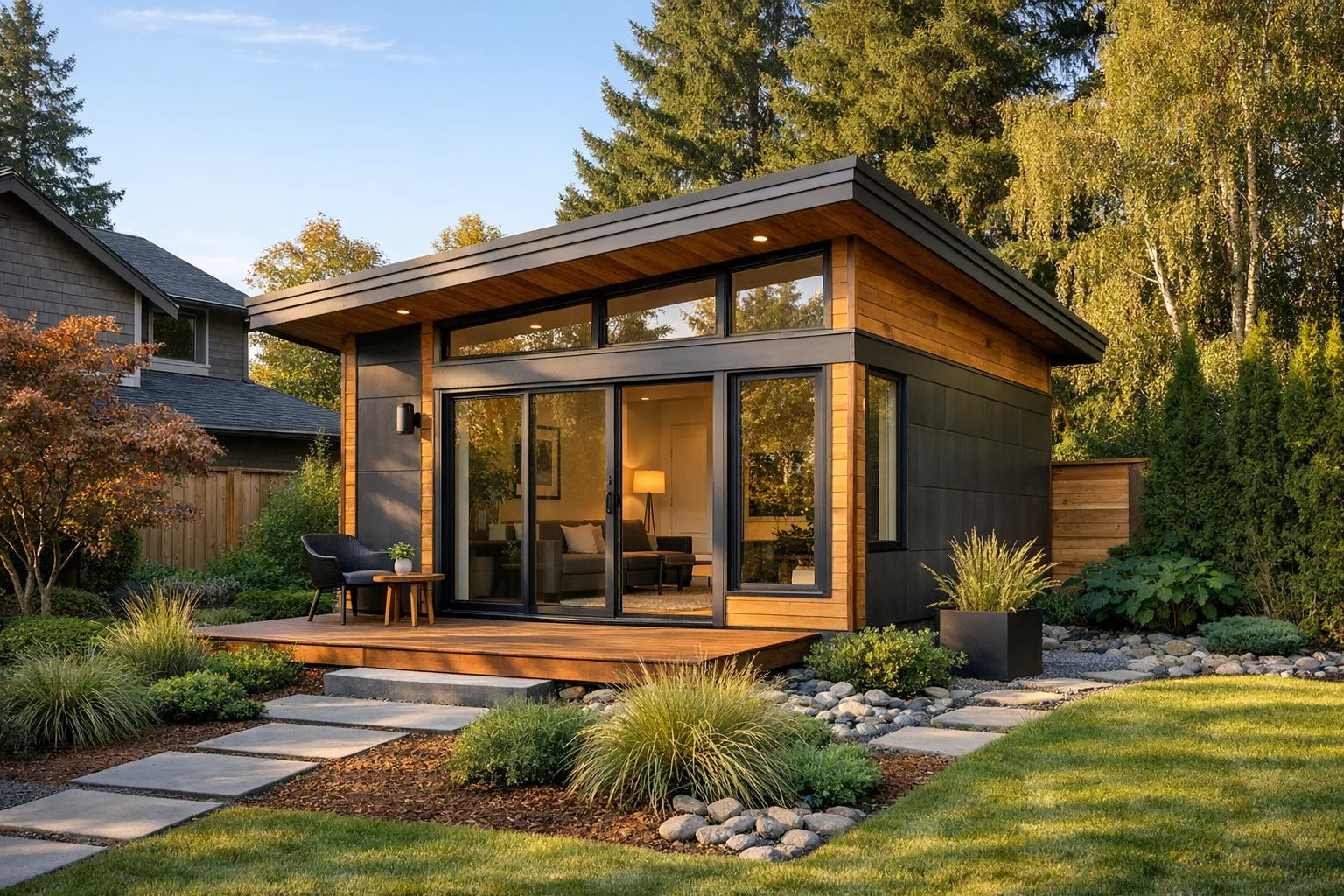
Detached ADUs are standalone structures located away from the main house. These include backyard cottages and small dwelling units built as new construction. Detached ADUs often resemble compact homes and provide maximum privacy.
Because they are separate structures, detached ADUs typically require new utility connections, and careful site planning.
Garage Conversion ADUs
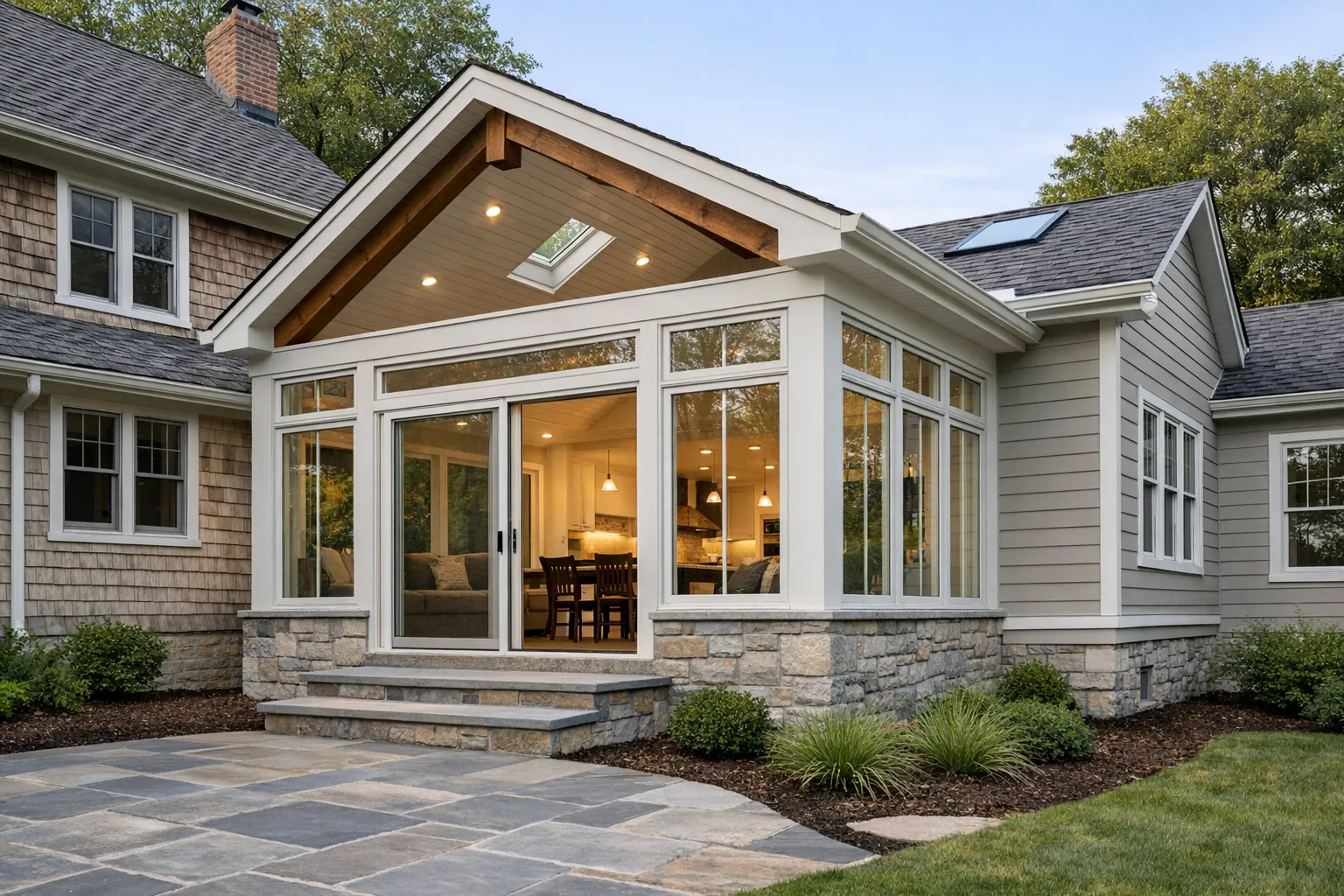
Garage conversion ADUs are created by converting an existing garage into a livable space. A converted garage can become a fully functional accessory apartment with proper insulation, plumbing, and electrical upgrades.
Garage conversion is one of the most common ADU project types because it uses existing structures, which can reduce construction time and labor costs.
Basement and Interior ADUs
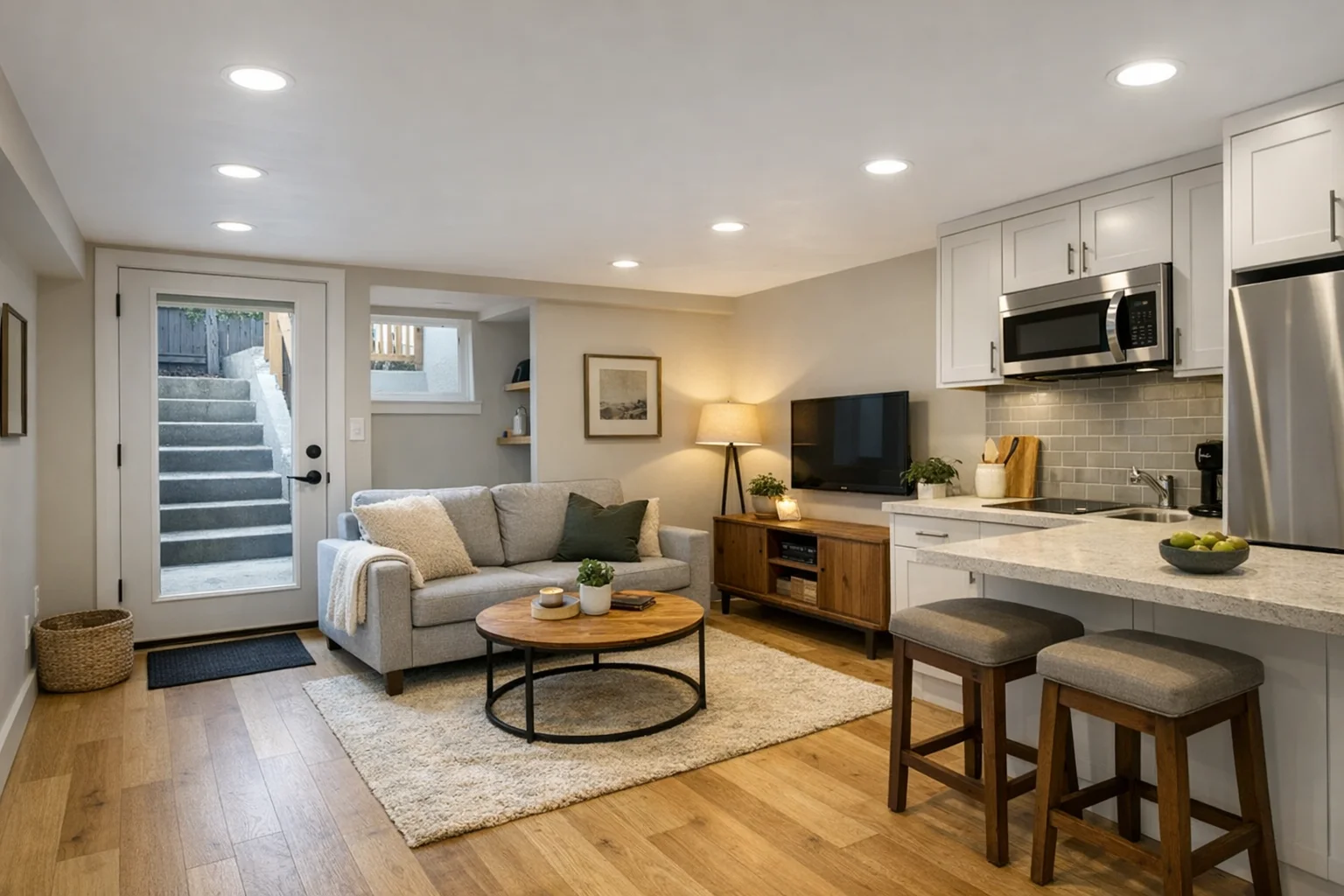
Interior ADUs include basement apartment layouts and basement conversions created within the existing home footprint. These internal ADUs are common in older homes and often share walls and systems with the principal unit.
Interior ADUs require careful attention to egress, ceiling height, sound separation, and fire safety. A basement apartment must meet all building permit requirements to qualify as a legal ADU.
Key Planning Considerations
Zoning Regulations
ADUs are regulated by local zoning laws that vary by jurisdiction. These rules determine where ADUs are allowed, how large they can be, and whether owner occupancy is required.
Local regulations may address setbacks, height limits, parking requirements, and more. Understanding local zoning laws early in the development process helps prevent delays and redesigns.
Permits and Approvals
Every ADU project requires building permits. Some jurisdictions also require design review, utility approvals, and inspections throughout construction.
Working with professionals familiar with local permit processes can streamline approvals and reduce setbacks.
Budget and Financing
The cost of an ADU varies based on size, design, and whether you are converting existing structures or building new. Common cost factors include labor, materials, utility connections, and site preparation.
Homeowners often explore financing options such as home equity loans, cash-out refinancing, construction loans, or personal loans. Some areas offer grant programs to support ADU construction.
Benefits of Building an ADU
Rental Income and Long-Term Value
One of the most common reasons homeowners build ADUs is to generate rental income. Whether rented long-term or used occasionally, an ADU can produce consistent income while increasing the property's overall value.
Rental income can help offset property taxes, maintenance costs, or future home improvement expenses.
Flexible Housing for Family Members
ADUs provide a practical way to house family members while preserving independence. Aging parents, adult children, or extended relatives can live nearby without sharing the main house.
This flexibility supports independent living while keeping loved ones close.
Efficient Use of Existing Property
ADUs allow homeowners to expand livable space without purchasing additional land. By building on the same property, homeowners maximize the usefulness of their existing home.
Why Professional ADU Construction Matters
An ADU project involves structural work, inspections, and compliance with local regulations. Professional remodelers understand the requirements, safety standards, and long-term durability needed for successful ADU development.
Quality construction ensures the ADU functions as intended, protects the existing home, and complies with all requirements.
Final Thoughts
Accessory dwelling units offer homeowners a way to expand housing options, support family members, and increase long-term home value. By understanding zoning regulations, financing options, and construction requirements, homeowners can approach ADU development with confidence.
When planned and built correctly, an ADU becomes a lasting asset that enhances both livability and property value.
Ready to Explore an ADU for Your Property?
If you are considering an ADU project and want professional guidance, we can help you explore your property's potential and navigate the development process.
Contact us today to schedule a consultation and learn how an accessory dwelling unit could work for your home.